
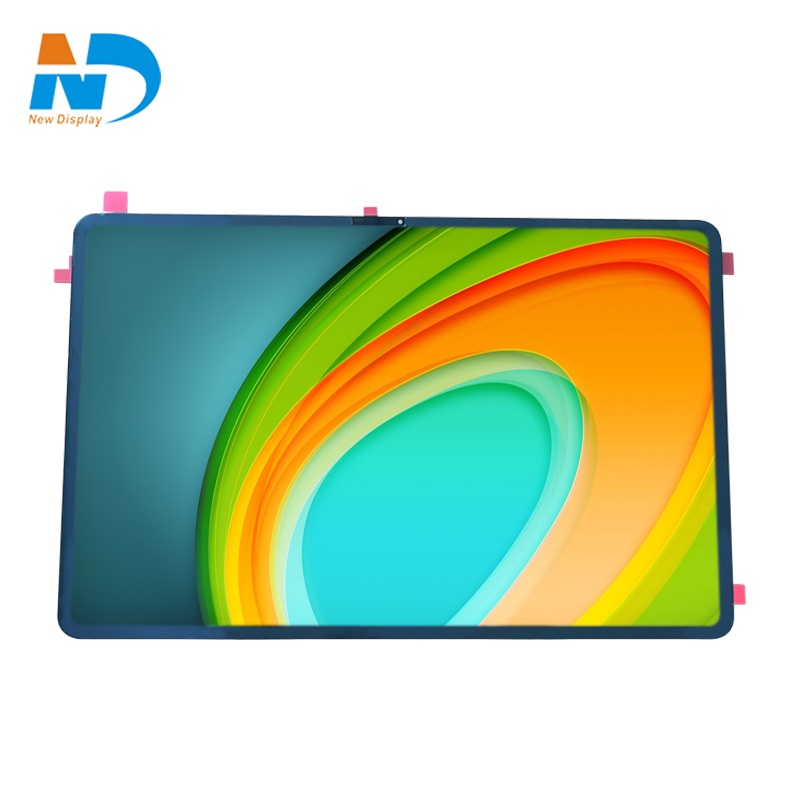
As display technology continues to evolve, the demand for high-performance screens capable of delivering clear visibility even under direct sunlight has surged. Among the leading options, AMOLED display modules have gained significant attention for their superior contrast, vibrant colors, and energy efficiency. A common question arises: can AMOLED screen modules meet the rigorous requirements of sunlight-readable applications? Let’s explore.
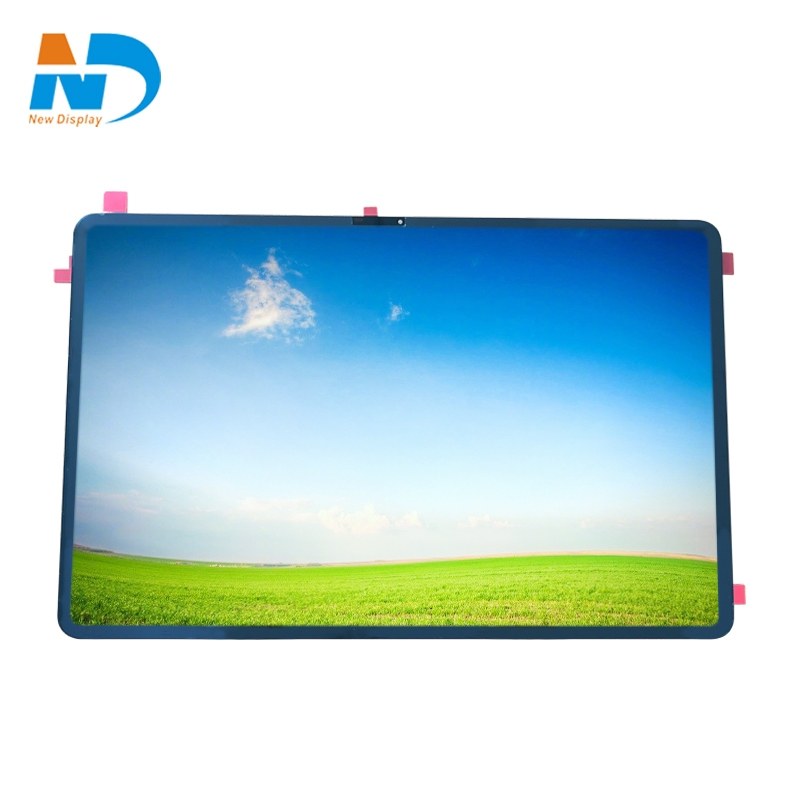
Understanding AMOLED Display Technology
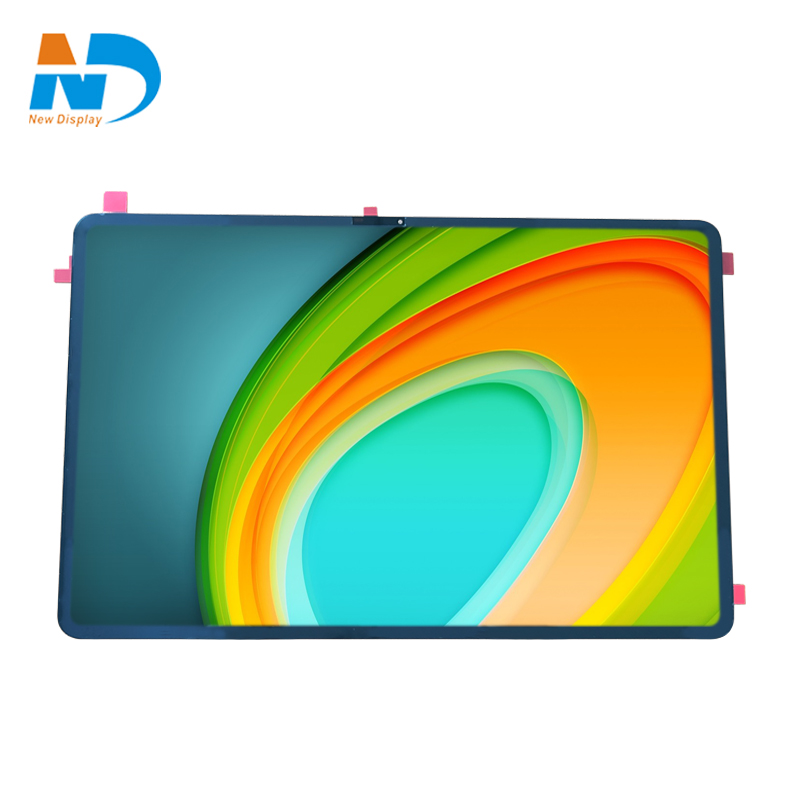
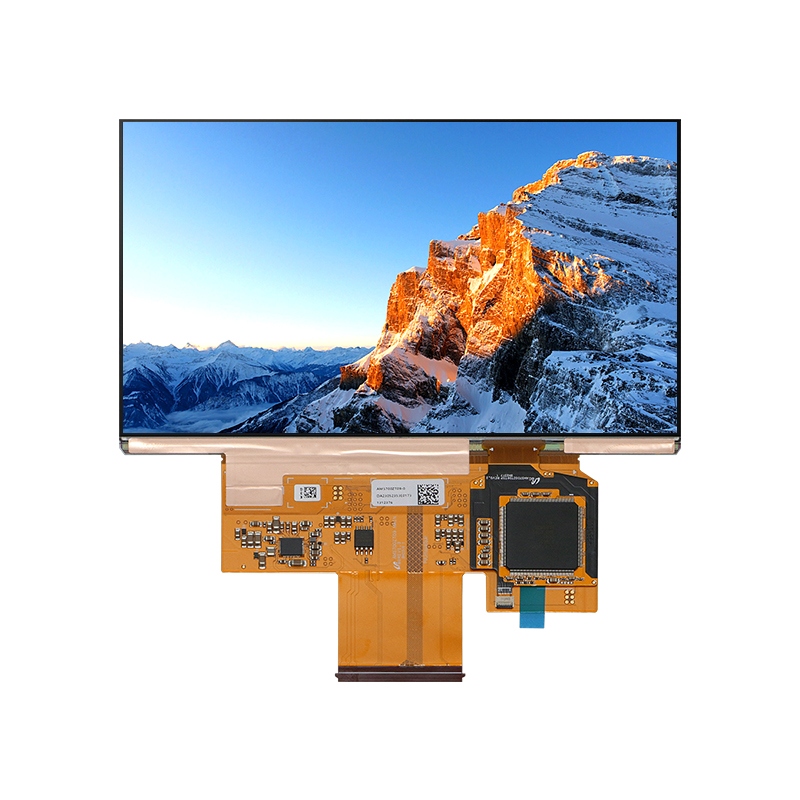
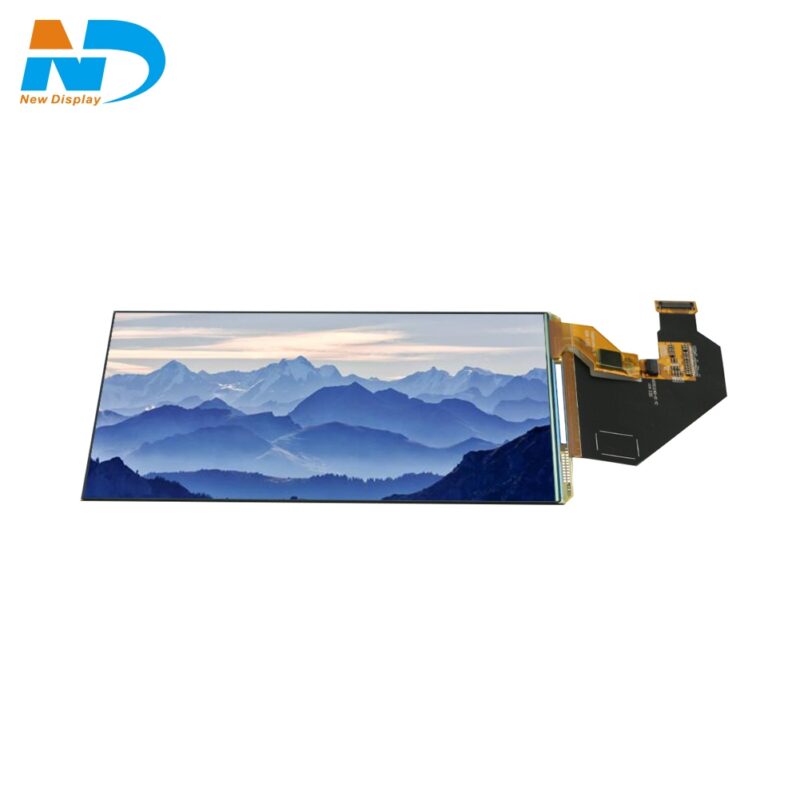
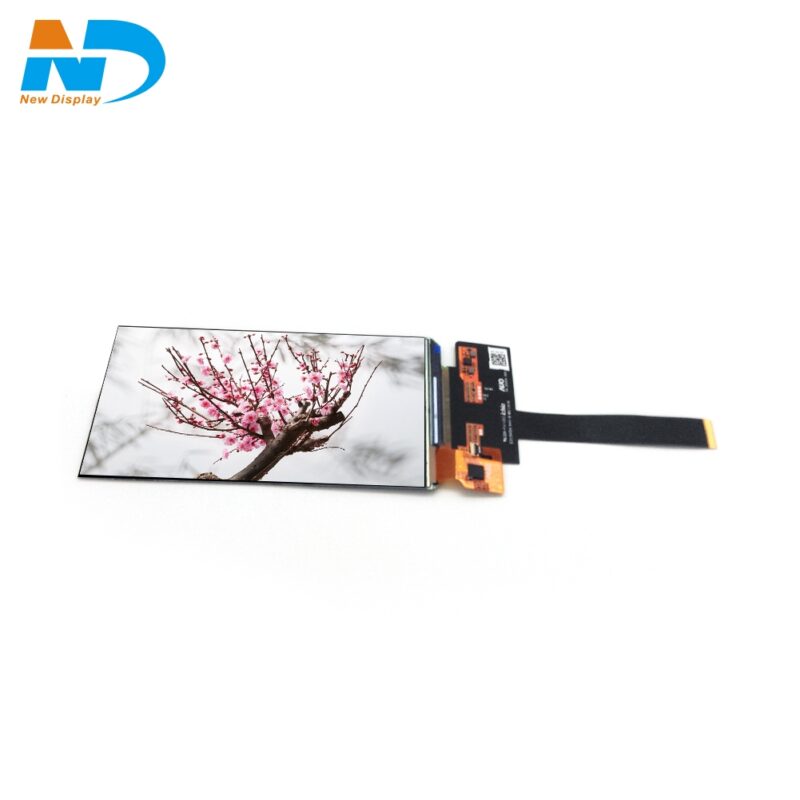
AMOLED display modules (Active Matrix Organic Light Emitting Diodes) differ from traditional LCDs by using organic compounds that emit light individually. Unlike backlit displays, AMOLED screens do not rely on a separate light source. This inherent feature provides several advantages:
- Higher contrast ratio
- True blacks and vivid color reproduction
- Faster response times
- Lower power consumption in dark-themed applications
These characteristics make AMOLED display modules highly appealing for applications where visual clarity and energy efficiency are critical.
Challenges in Sunlight Readability
Despite the advantages, standard AMOLED display modules face challenges in direct sunlight due to their relatively lower peak brightness compared to some LCD counterparts. Sunlight can cause screen glare and reduce perceived contrast, affecting readability in outdoor environments. Key factors impacting sunlight visibility include:
- Peak luminance (brightness) of the display
- Ambient light reflection on the screen
- Protective coatings and anti-glare treatments
Solutions for Sunlight-Readable AMOLED Screen Modules
Leading manufacturers, such as HKSEBO News Display, have developed solutions to enhance the sunlight readability of AMOLED display modules:
- Increased Peak Brightness
By boosting the luminance to over 1000 nits, AMOLED screens can remain legible even under direct sunlight. - Optical Bonding and Anti-Reflective Coatings
Reducing surface reflections significantly improves clarity. Optical bonding techniques eliminate the air gap between layers, minimizing glare. - Adaptive Brightness and Pixel Optimization
Advanced modules adjust pixel output dynamically based on ambient light, enhancing contrast and visibility outdoors. - High-Performance Color Calibration
Ensuring color accuracy while maintaining brightness helps users read content comfortably in bright conditions.
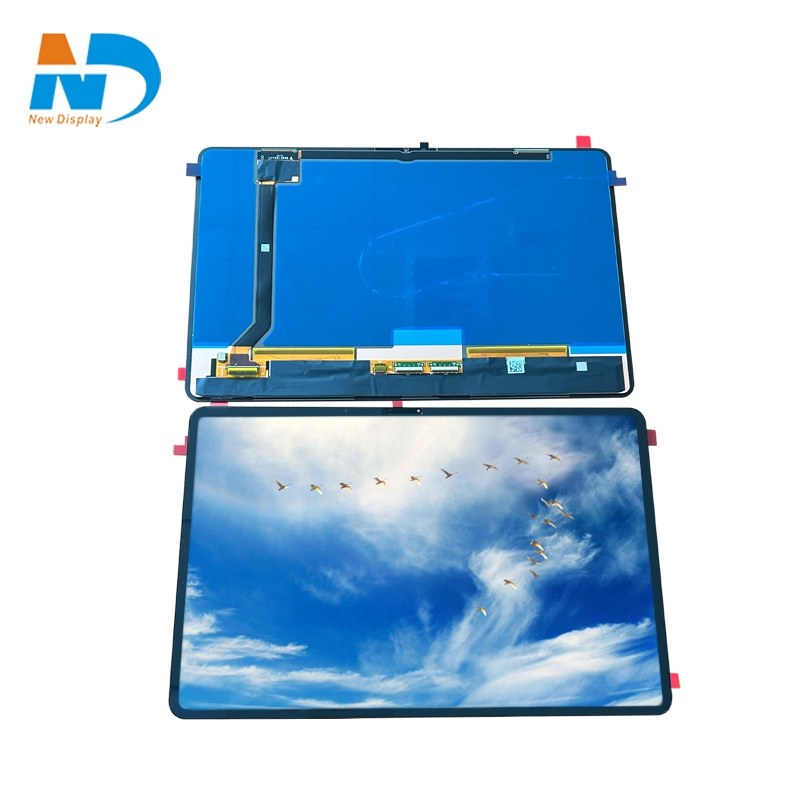
Applications of Sunlight-Readable AMOLED Display Modules
With these advancements, AMOLED screen modules are increasingly suitable for:
- Outdoor digital signage and news displays
- Automotive dashboards and infotainment systems
- Wearable devices used under direct sunlight
- Portable medical and industrial devices
HKSEBO News Display offers a range of AMOLED display modules engineered specifically to address these challenges, ensuring both performance and readability in outdoor environments.
Summary:
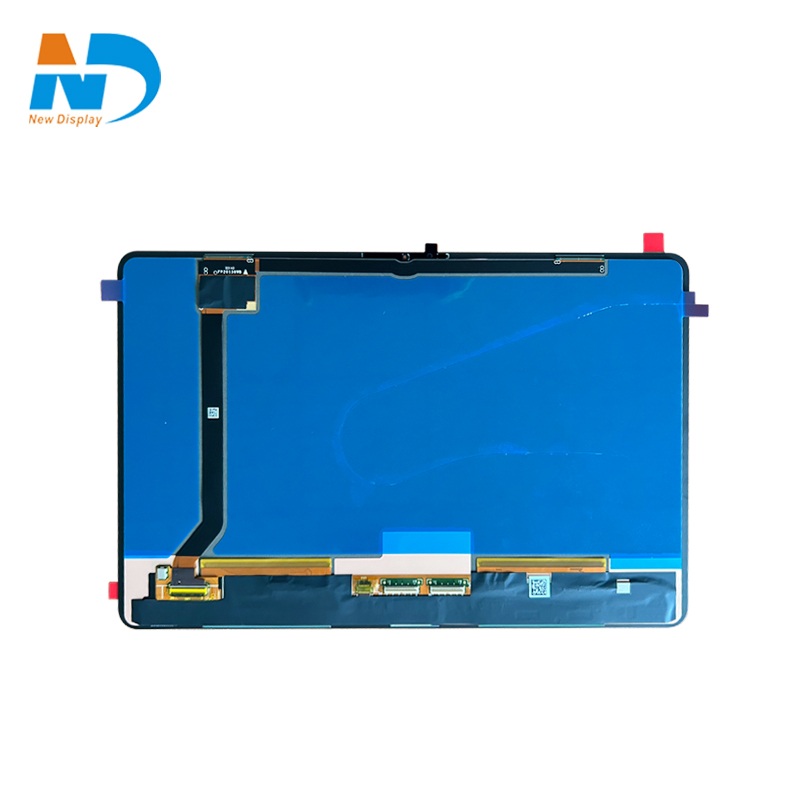
While standard AMOLED display modules may struggle under strong sunlight, modern innovations have made sunlight-readable AMOLED screens a reality. By leveraging high brightness, anti-glare treatments, and dynamic pixel management, HKSEBO News Display provides AMOLED display modules and AMOLED screen modules that deliver vibrant, clear visuals in nearly any lighting condition. For applications demanding high-quality outdoor readability, sunlight-readable AMOLED technology is no longer a limitation—it’s a solution.


Leave a reply