
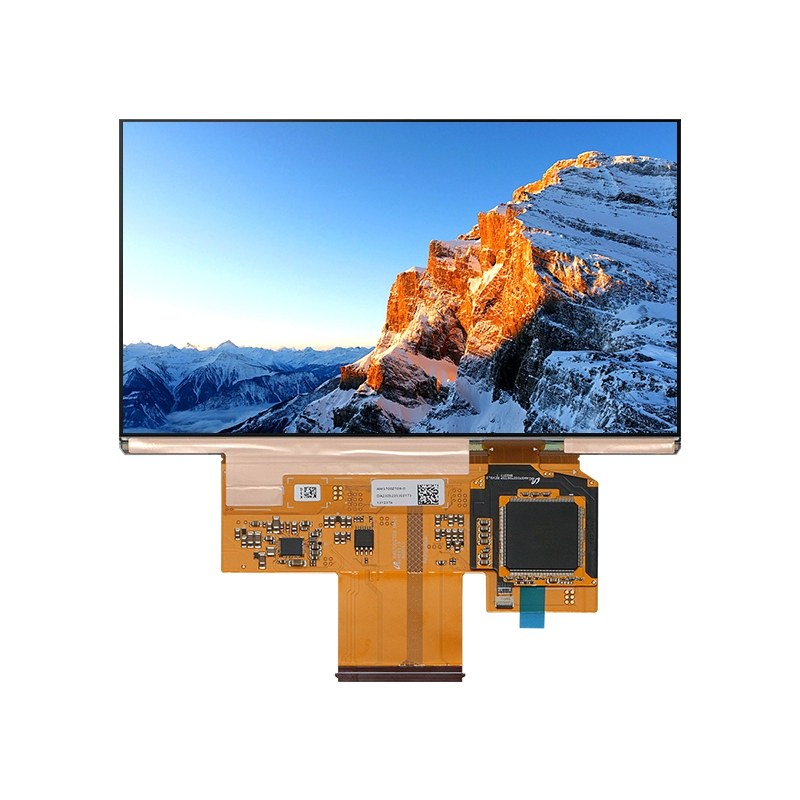
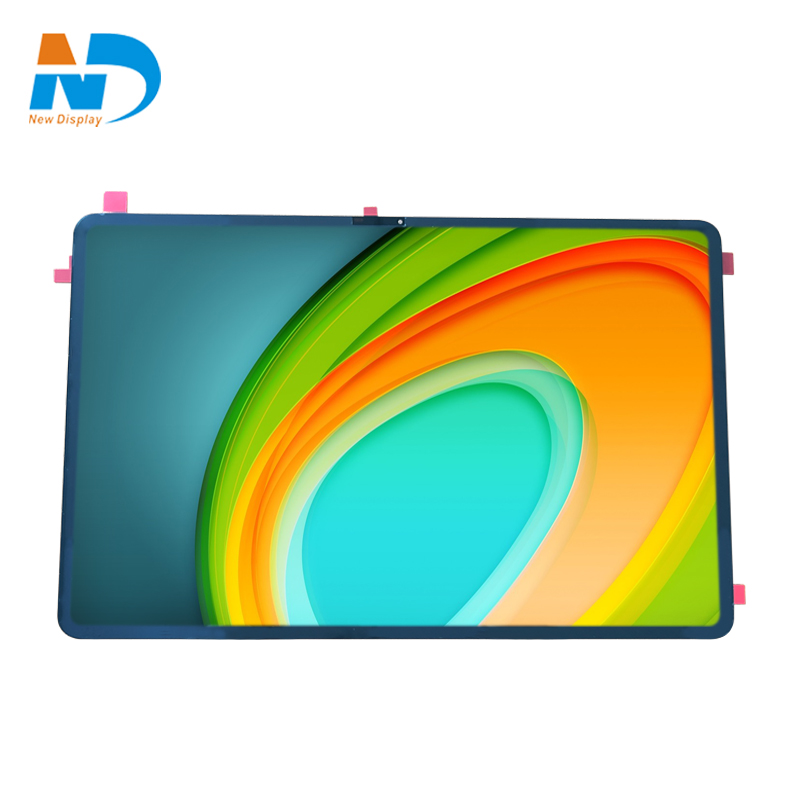
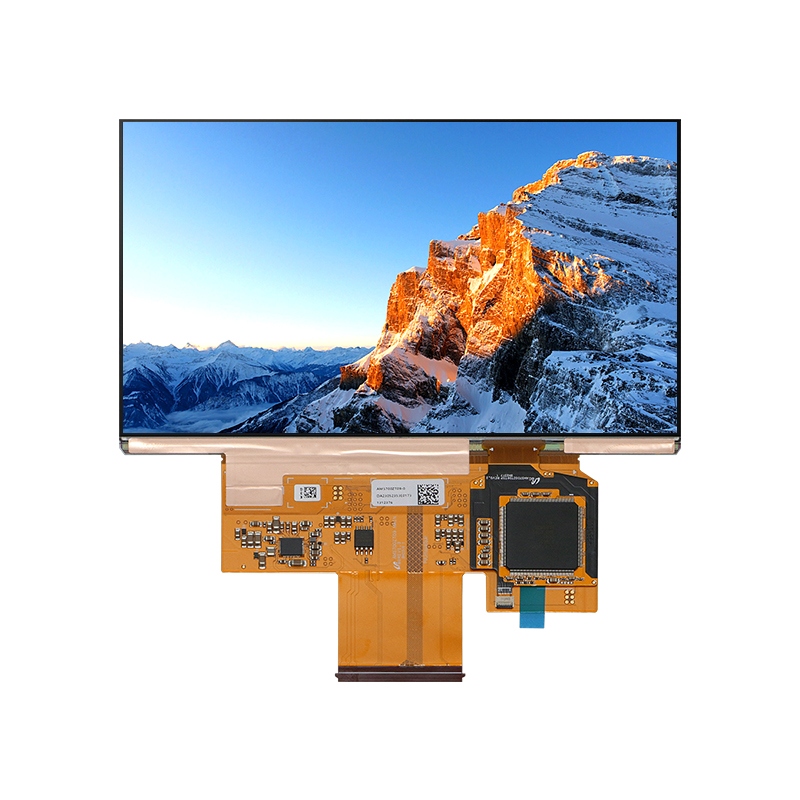
In modern electronics, display technology defines the user experience. From smartphones to automotive dashboards and AR/VR devices, visual quality impacts usability, brand perception, and energy efficiency. Among the options, AMOLED display modules have emerged as the preferred choice for high-end and industrial applications. But how exactly do they improve visual performance compared to traditional LCDs? This article explores the technical advantages, application benefits, and cost considerations, including AMOLED display modules price, for OEMs sourcing from a trusted AMOLED display modules factory like New Display.
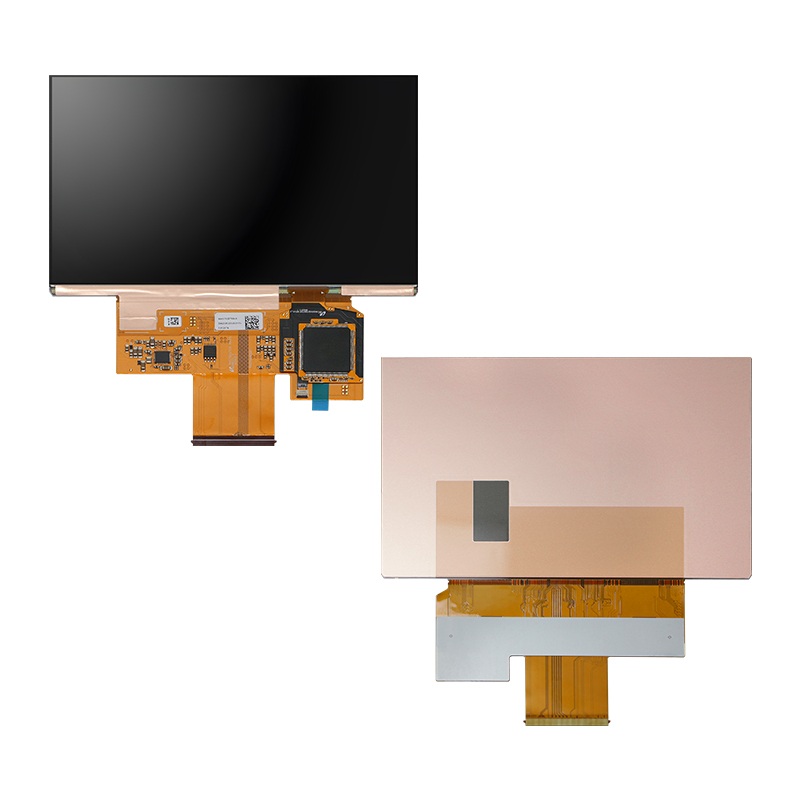
Self-Emissive Pixels for Superior Contrast
Unlike LCDs, which rely on a backlight to illuminate pixels, AMOLED display modules are self-emissive, meaning each pixel generates its own light. This technology allows for true blacks, infinite contrast ratios, and enhanced image depth. Subtle shadows and dark scenes are rendered accurately, making these displays ideal for cinematic content, premium smartphones, and automotive dashboards. In comparison, LCDs often suffer from backlight bleed, reducing overall contrast and image clarity.
Wider Color Gamut and Accurate Reproduction
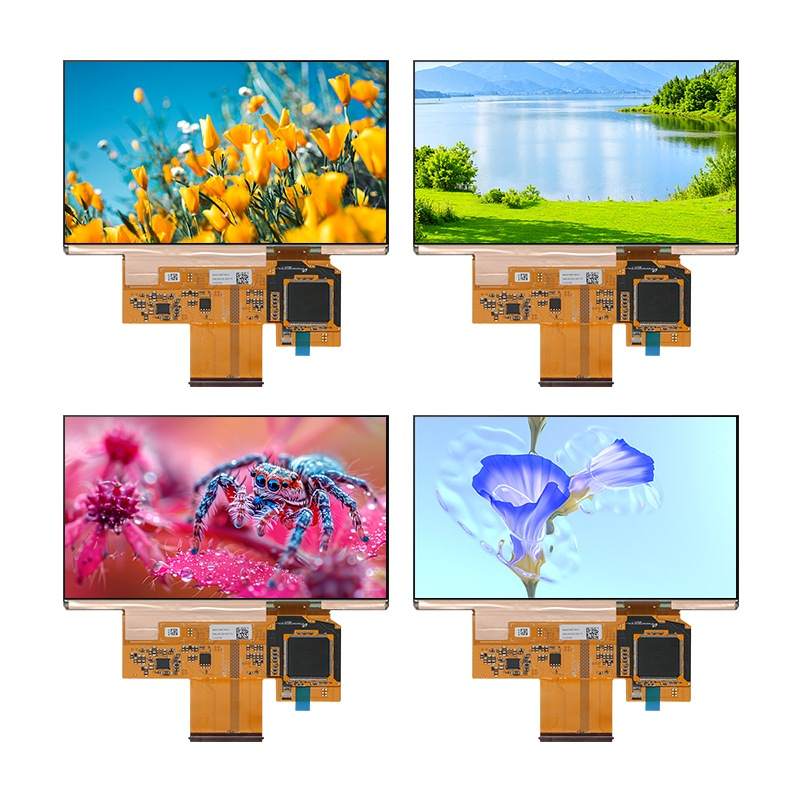
Color fidelity is essential for industrial, automotive, and consumer devices. AMOLED display modules outperform LCDs in color coverage, often achieving over 100 percent DCI-P3 compared to LCDs’ typical 70–80 percent. This provides vivid, lifelike colors, consistent color performance across wide viewing angles, and enhanced HDR support. OEMs sourcing from New Display can ensure consistent color performance across production batches, meeting strict quality requirements for high-end devices.
Faster Response Time and Smooth Motion
LCDs often struggle with motion blur and ghosting due to slower pixel response times. AMOLED display modules address this with near-instant pixel switching, providing smooth high-speed video playback and minimal latency in AR/VR applications. Automotive displays also benefit, maintaining sharp and responsive information presentation in real-time. This rapid response improves user experience in gaming, interactive applications, and industrial monitoring.
Slim Form Factor and Design Flexibility
Without a backlight, AMOLED modules are thinner and lighter than LCDs. This allows for ultra-thin devices with minimal bezel, curved and flexible displays for wearable technology, and maximized active display areas for immersive user experiences. New Display’s AMOLED display modules factory can customize module dimensions, touch integration, and optical bonding to meet diverse industrial and consumer requirements.
Energy Efficiency and Smart Power Management
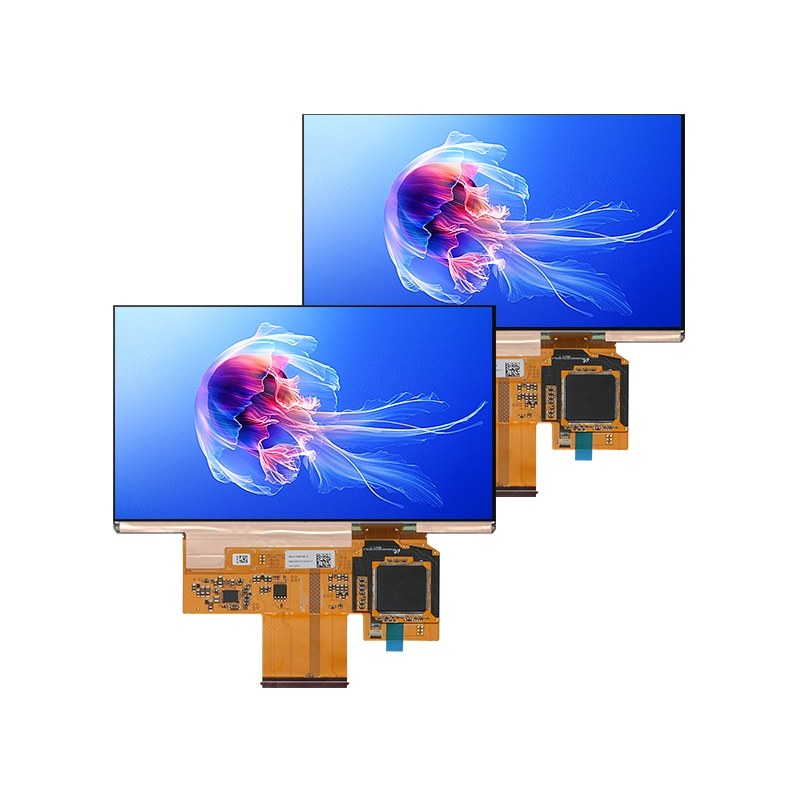
AMOLED display modules consume less power than LCDs, particularly when displaying darker content. Dynamic brightness adjustment and deep sleep modes reduce energy usage, prolong device lifespan, and extend battery life in mobile and portable industrial devices. Considering AMOLED display modules price, this energy efficiency translates into long-term operational savings for manufacturers and end users alike.
Applications Across Industries
AMOLED display modules are suitable for a wide range of applications beyond smartphones. Key sectors include automotive, where digital dashboards and infotainment systems benefit from high contrast and responsive displays; AR/VR devices that demand low latency and immersive visuals; industrial control panels, medical monitors, and inspection devices; and consumer electronics such as tablets, handheld gaming devices, and high-end wearables. Partnering with a factory-direct supplier like New Display ensures scalability, customization, and competitive pricing.
Competitive Advantages
AMOLED display modules offer several advantages over LCDs. They provide superior contrast and true blacks, a wider color gamut, faster response times, thinner and lighter designs, and energy efficiency. These features improve both user experience and device performance. Choosing modules from New Display also provides reliable supply, customization options, and consistent quality for high-end consumer and industrial applications.
Conclusion:
Compared to traditional LCDs, AMOLED display modules provide better contrast, wider color gamut, faster response times, slimmer form factors, and energy efficiency. For OEMs and industrial clients, sourcing modules from New Display ensures high-quality performance, customization options, and competitive pricing. Investing in AMOLED technology enhances device quality, user experience, and operational efficiency across a variety of industries.
FAQ:
Q1: What makes AMOLED display modules better than LCDs?
AMOLED display modules have self-emissive pixels that deliver higher contrast, true blacks, and better color accuracy, while also offering faster response times and lower power consumption.
Q2: Can AMOLED display modules be customized for different applications?
Yes. New Display offers customization including touch integration, optical bonding, brightness tuning, and mechanical dimensions to suit industrial and consumer devices.
Q3: How does AMOLED display modules price compare with LCDs?
While AMOLED modules typically have a higher initial cost, the improved energy efficiency, durability, and visual performance provide greater value over time.
Q4: Are AMOLED display modules suitable for automotive and industrial use?
Yes. They are designed to operate over a wide temperature range and offer high reliability for automotive dashboards, industrial HMI panels, and other demanding applications.


Leave a reply