
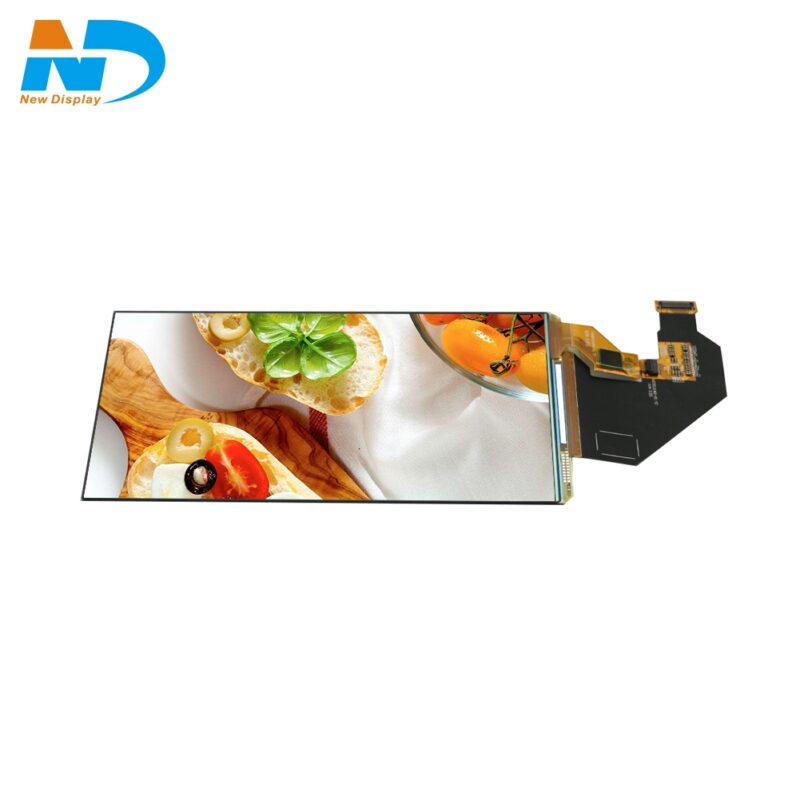
Selecting the appropriate interface for an OLED display module is a strategic decision that directly impacts system performance, development efficiency, and long-term scalability. Whether you are integrating an AMOLED display module into industrial equipment, medical devices, or consumer electronics, the right interface ensures stable data transmission, optimal display quality, and cost-effective deployment.
This article provides a structured, forward-looking framework to help engineering teams and procurement decision-makers choose the most suitable interface for an OLED display module in B2B applications.
1. Understanding OLED Display Module Interface Requirements
Before selecting an interface, it is essential to align technical requirements with application scenarios. An OLED display module, including an AMOLED screen module or AMOLED panel module, typically interfaces with a host processor through standardized communication protocols.
Key evaluation factors include:
- Display resolution and refresh rate
- Data bandwidth requirements
- Power consumption targets
- System complexity and BOM cost
- Development cycle and firmware resources
For high-performance applications, these factors must be assessed holistically rather than in isolation.
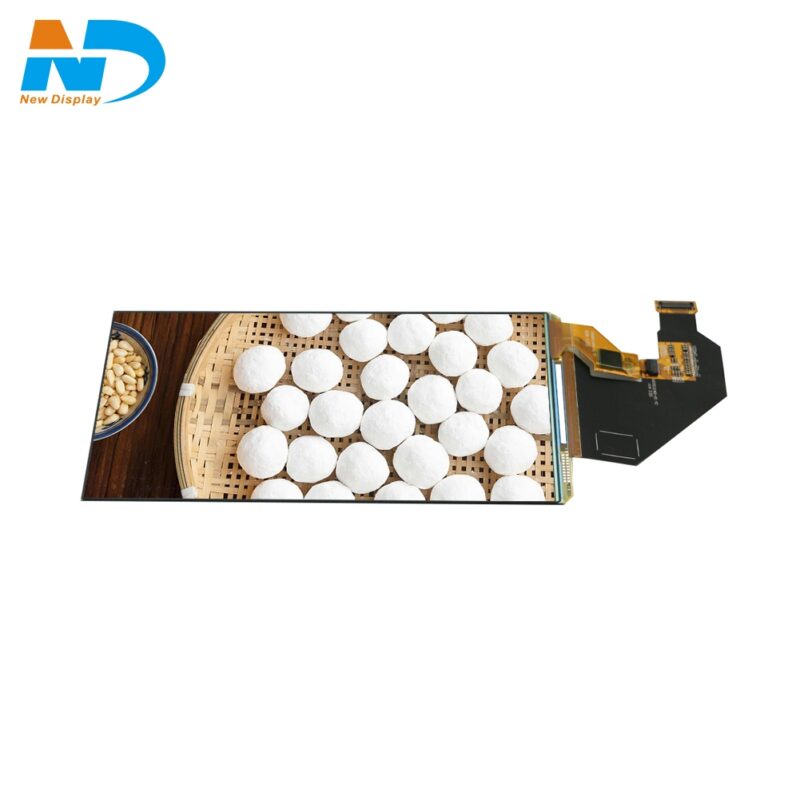
2. Common Interfaces Used in OLED Display Modules
2.1 SPI (Serial Peripheral Interface)
SPI is widely used in small to medium-sized OLED display modules due to its simplicity and low pin count.
Best-fit scenarios
- Low-resolution OLED display module
- Wearable devices and portable instruments
- Cost-sensitive embedded systems
Enterprise considerations
- Limited bandwidth restricts scalability
- Not ideal for large AMOLED display module implementations
2.2 I²C (Inter-Integrated Circuit)
I²C is mainly adopted for control-oriented communication rather than high-speed image data transmission.
Best-fit scenarios
- Status displays and auxiliary screens
- OLED display module with minimal animation
Enterprise considerations
- Low data throughput
- Often used in combination with other interfaces
2.3 MIPI DSI (Mobile Industry Processor Interface – Display Serial Interface)
MIPI DSI has become the industry standard for high-resolution AMOLED screen module integration.
Best-fit scenarios
- High-resolution AMOLED panel module
- Smartphones, handheld terminals, and advanced HMI systems
Enterprise considerations
- High bandwidth with low power consumption
- Requires compatible SoC and higher engineering expertise
- Strong long-term scalability for product roadmaps
2.4 RGB (Parallel Interface)
RGB interfaces deliver uncompressed pixel data in parallel, offering real-time performance.
Best-fit scenarios
- Industrial control panels
- Medical equipment requiring deterministic response
Enterprise considerations
- High pin count increases PCB complexity
- Higher power consumption compared to serial interfaces
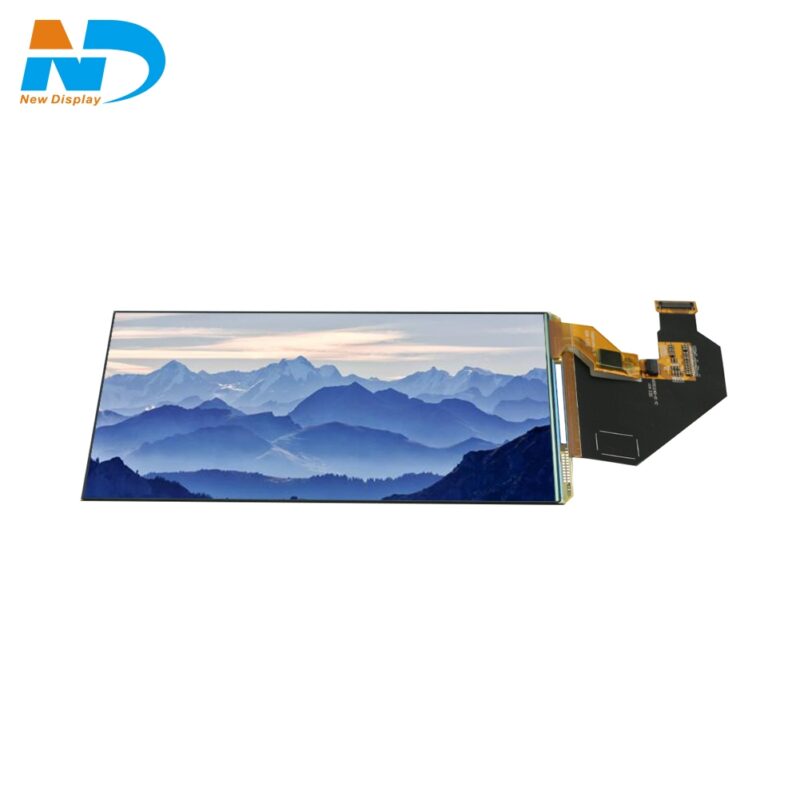
3. Matching Interface Selection to Application Scenarios
Choosing the interface for an OLED display module should be driven by application-level priorities rather than component-level preferences.
| Application Type | Recommended Interface | Rationale |
|---|---|---|
| Wearable devices | SPI / MIPI DSI | Compact design and low power |
| Industrial HMI | RGB / MIPI DSI | Stable performance and clarity |
| Medical equipment | RGB / MIPI DSI | Real-time display reliability |
| Consumer electronics | MIPI DSI | High resolution and scalability |
This approach ensures that the AMOLED display module aligns with both current functional needs and future upgrade paths.
4. Power Consumption and Signal Integrity Considerations
As AMOLED display module adoption increases in battery-powered systems, interface efficiency becomes a strategic differentiator.
- High-speed serial interfaces like MIPI DSI reduce EMI and power draw
- Parallel RGB interfaces demand stricter PCB layout control
- Cable length and connector quality directly affect signal integrity
Early-stage simulation and validation are recommended to mitigate downstream redesign risks.
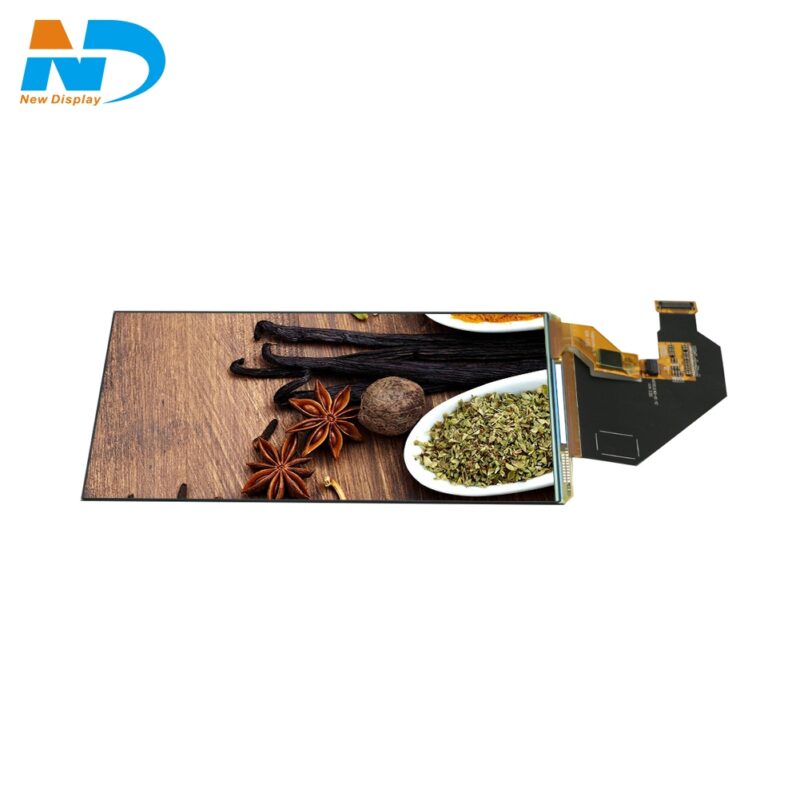
5. Long-Term Scalability and Supply Chain Alignment
From an enterprise perspective, interface selection should support:
- Multi-source component strategies
- Platform reuse across product lines
- Compatibility with next-generation AMOLED panel module upgrades
Standardized interfaces improve supply chain resilience and reduce lifecycle management costs, especially in high-volume B2B deployments.
6. Strategic Recommendations
To ensure optimal outcomes when selecting an interface for an OLED display module:
- Prioritize application-driven performance requirements
- Balance engineering complexity with time-to-market objectives
- Engage display module suppliers early for interface validation
- Plan for future AMOLED screen module upgrades
A well-chosen interface not only enhances display performance but also strengthens product competitiveness in evolving markets.
Conclusion:
Choosing the right interface for your OLED display module is a critical design decision with long-term business and technical implications. By systematically evaluating performance needs, power efficiency, and scalability, organizations can confidently integrate AMOLED display modules that support both current applications and future innovation.
For enterprises seeking reliable, high-performance AMOLED panel module solutions, interface strategy should be treated as a core component of product architecture rather than a peripheral consideration.



Leave a reply